Kundli & Marriage · 13 October 2026 · By Astrologer Phoolchand Joshi Team
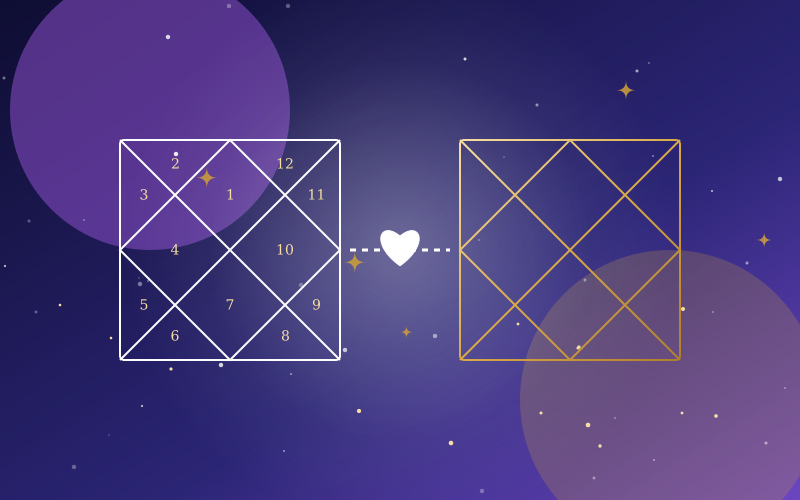
In many Gujarati families, Kundli matching is one of the first steps once a marriage proposal is being considered. Parents ask for the “guna” score, and a number out of 36 can suddenly feel like a verdict. This guide explains what that number actually measures, what it leaves out, and how to read a match calmly.
What is Ashtakoot (Gun Milan)?
Ashtakoot means “eight factors”. It compares the Moon signs and Nakshatras of two people across eight categories, each carrying a fixed number of points, for a total of 36:
- Varna (1) – broad temperament and approach to work and duty.
- Vashya (2) – mutual attraction and influence.
- Tara (3) – wellbeing and fortune based on birth stars.
- Yoni (4) – natural compatibility and intimacy.
- Graha Maitri (5) – friendship between the Moon-sign lords; mental compatibility.
- Gana (6) – basic nature and temperament.
- Bhakoot (7) – emotional connection, family welfare and prosperity.
- Nadi (8) – traditionally linked with health and progeny.
Traditionally, 18 or more points are considered acceptable, 24 and above good, and higher scores very good. But the score is based mainly on the Moon – just one part of a full birth chart.
Why the full chart matters
A careful astrologer also looks at the 7th house (partnership) and its lord, Venus and Jupiter, the Navamsa (D9) chart, and the dasha periods both people are entering. These factors often explain more about everyday married life than the Ashtakoot score alone.
This is why a low score is not automatically a rejection, and a high score is not automatically a guarantee. Strong supportive factors elsewhere can balance a low score; difficult placements can still need attention even when the score is high.
What about Mangal dosha?
Mangal (Manglik) dosha is one of the most feared terms in matchmaking, and often the most misunderstood. It refers to Mars in certain houses of the chart. In practice, its strength varies a great deal, it is often cancelled or balanced by other factors, and it is common – a large share of people have some form of it. It should be explained in context, never used to frighten a family.
Nadi and Bhakoot dosha
These two factors carry the most points, so a mismatch in either noticeably lowers the score. Classical texts also describe exceptions that cancel these doshas. Before anyone panics, ask your astrologer whether an exception applies.
A practical checklist for families
- Share accurate birth details – exact time matters.
- Ask for an explanation of the score, not just the number.
- Ask what supports the match, not only what challenges it.
- Be wary of anyone who uses fear to sell expensive remedies.
- Remember that values, communication, family, health and mutual respect matter just as much.
The bottom line
Kundli matching is a thoughtful tradition that can start useful conversations between two families. Used well, it adds perspective. Used as a pass/fail test, it can cause needless worry. If you’d like a detailed, calm explanation of two charts, our Kundli matching consultation is available online for families across Gujarat.
This article is for general information. Astrology offers guidance and reflection, not guaranteed outcomes.
More articles
Ready to talk about what's on your mind?
Book a private consultation with Astrologer Phoolchand Joshi. We listen first, explain clearly and keep everything confidential.